Categories
Sub-Catagories
Why you should choose a Digital Projector?
Digital Projectors are those breed of projectors that are used in conferences to give video presentations. These projectors receive its signal from a computer and displays image on a larger screen to be viewed by a large group of people.
The two different variants of digital projectors are
1. LCD projectors
These are the type of projectors used with an LCD or a liquid crystal display with independent transparent panels for each constituent primary color (red, blue and green.). The image transmission depends on the signal received by the PC places near the projectors which redirects the images through these LCD panels on to the screen. The LCD projectors look pretty similar to older slide projectors and are simple in construction and thus cost less in comparison to their successors DLP projectors. The LCD can be thought of as slides placed at the focal length of the lens making it complete. Clarity of picture in LCD projectors depends on the number of pixels it is set for. (Pixels are smallest area of data or picture holders)
2.DLP Projectors. This is the latest version of Digital Projectors based on Digital Light Processing technology developed by Texas Instruments in 1987. DLP projectors bring in a different scope in the technology of projectors. These new technology uses small mirrors or micro crystal parts to reflect light images t passes through the projectors onto the screen. Each mirror is considered a pixel. The image quality in this new technology is much higher than any older version of projectors and the views see the mist high definition images n the screen.
The difference between these two variants lays in the way they operate. Both have their own quality and features ad both work perfectly for a mass medium interaction.
|
Look After the Lamp in Home Theatre Projectors
People who want to have a cinema-like viewing experience in their home are increasingly opting for home theatre projectors. What these do is allow people to view their movies in a dark room without the size limitations that a normal TV screen would have. Nonetheless, there is a noteworthy maintenance expense linked with this type of set up - the lamp.The life of a lamp in a projector is estimated to be between two and four thousand hours but in some extreme cases the life of the lamp could be as short as a few hundred hours. As replacement lamps are expensively priced at a few hundred dollars each, a short life span would be an unwanted surprise for any owner but there are several things that can be done to alleviate this problem. These would be, in no particular order:
One, turn the lamp off properly.
Two, avoid turning the power on and off because sudden voltage increases can stress the filament.
Three, keep the projector clean and away from heat sources when not in use.
|
Projector Screens
Step One: Choose Mounting Orientation
Your first decision is to decide how you want to use your screen. Do you want your screen to be portable or do you plan to install your screen in a permanent location? Do want a screen with bells and whistles? Or do you want something simple and inexpensive? Below are the four screen mounting orientations we currently offer.
Screen Mounting Options:
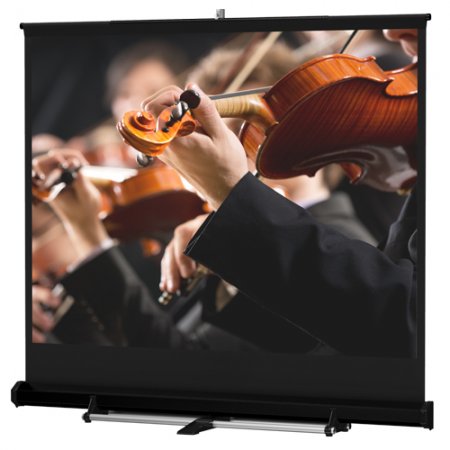
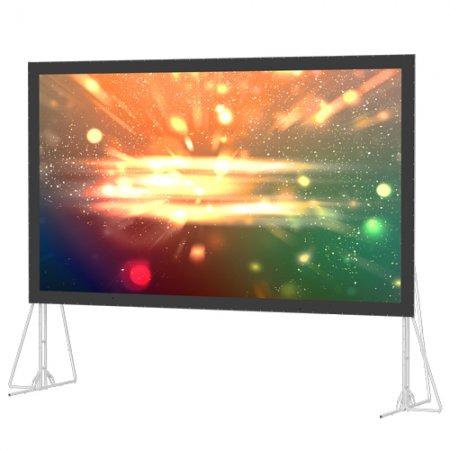
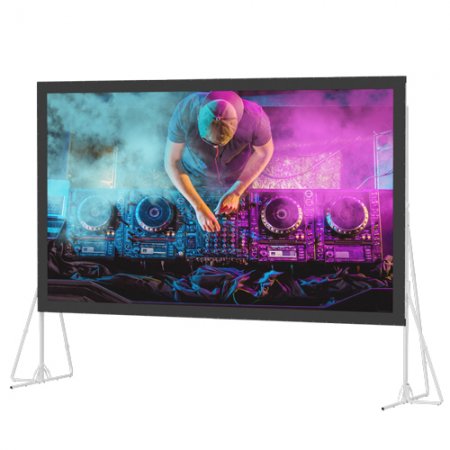
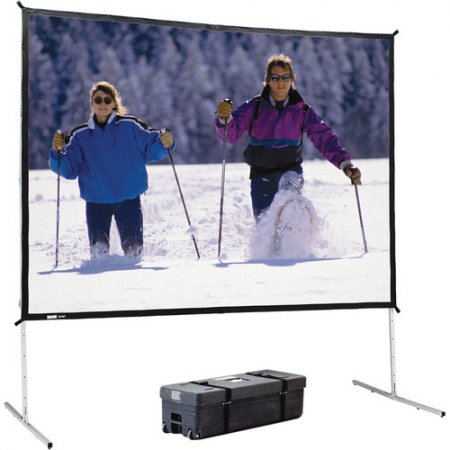
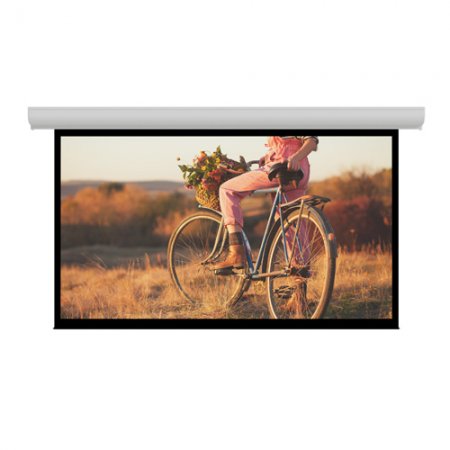
Portable Screens -- Projector screens that travel from location to location readily.
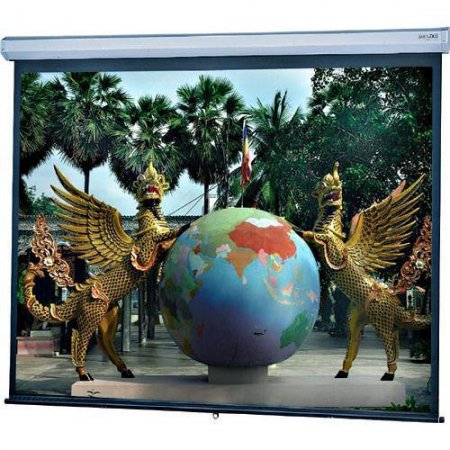
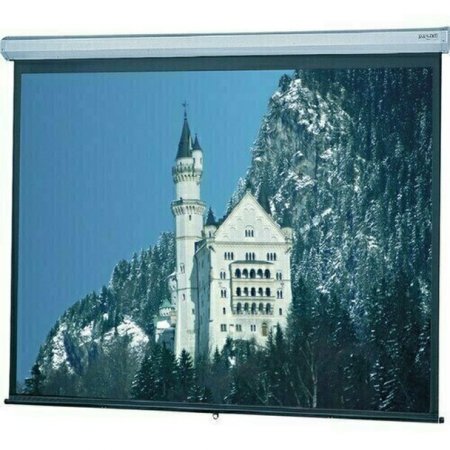
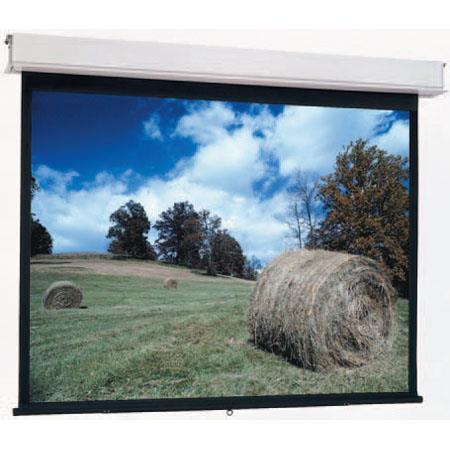
Manual Screens -- An economical choice for projector screens that stay in one location most of the time.
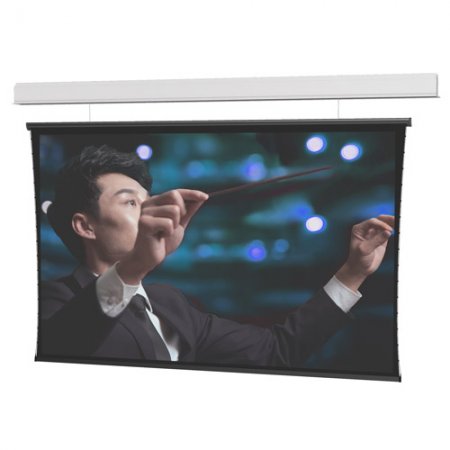
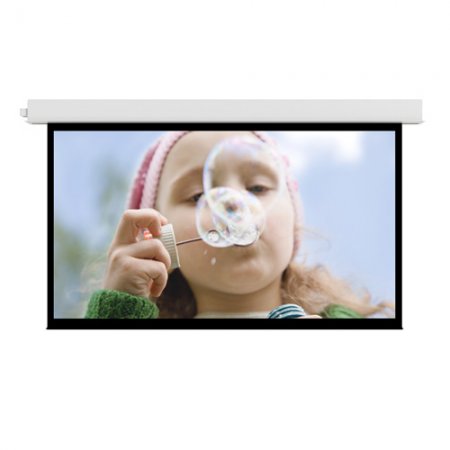
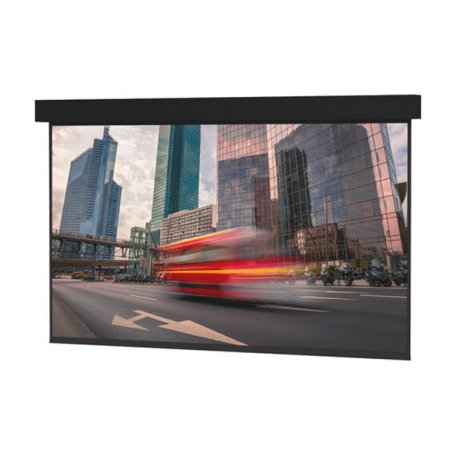
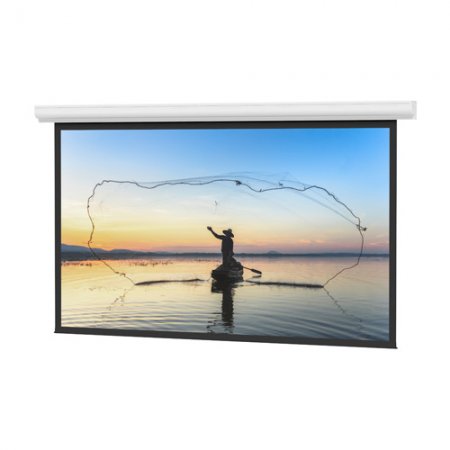
Electric Screens -- High-end projection screens that add elegance to their permanent location.
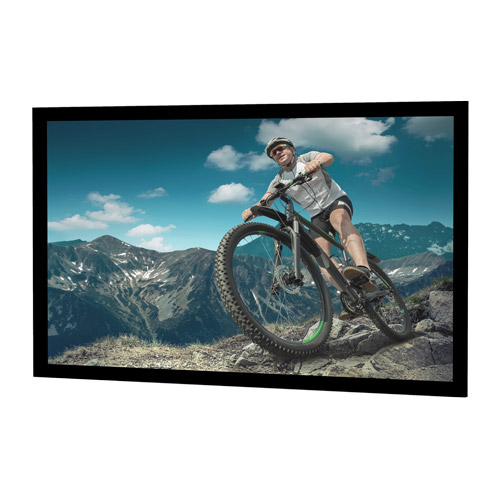
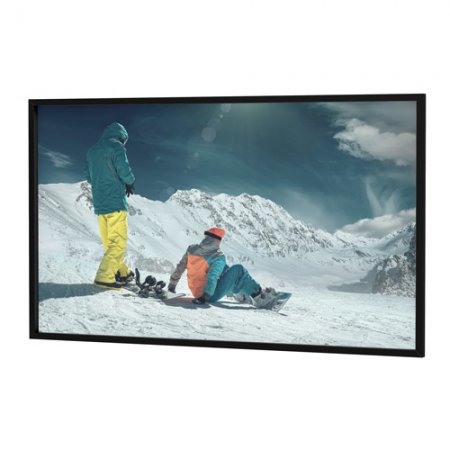
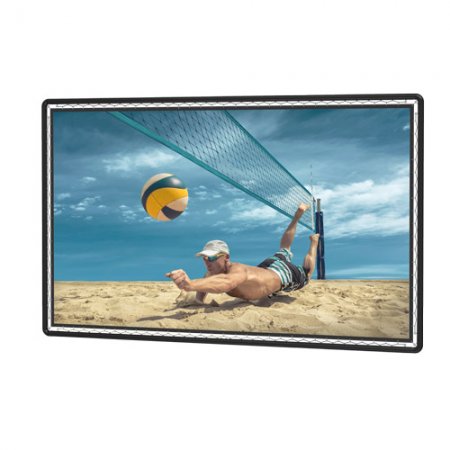
Fixed Frame Screens-- Permanently tensioned screen stretched around a frame and installed in a fixed location.
There are a wide variety of projector screens available in each of these mounting orientations. Some screens will include additional features such as designer casing, tab tensioning, adjustable masking borders, and more. For each mounting type, we list the available features available in a convenient chart format.
Quick Tip: Our most popular screen mounting options are portable (for Road Warriors, hotels and convention halls, and educational facilities) and manual (for boardrooms, classrooms, or home theaters.) We also recommend that you purchase your projector before ordering a screen.
Discount prices on projectors, projector screens, projector lamps. LCD projectors for business and home theater.
|
|